You’ve been staring at the ceiling for forty-five minutes. Your brain is running its nightly highlight reel of every awkward thing you said in 2014, and your body still hasn’t gotten the memo that sleep is happening now. Sound familiar? A lot of people have started turning to THC gummies as a potential wind-down tool – and honestly, the curiosity makes sense. But the question that trips almost everyone up isn’t whether to try them. It’s how many milligrams of THC gummies to take for sleep without waking up feeling like you’re piloting your own body from somewhere three feet behind your head.
That’s the real puzzle. Too little and you’re still wide awake, having accomplished nothing except eating a slightly expensive piece of candy. Too much and you’ve overshot the runway entirely. Getting the dose right matters more with edibles than with almost any other cannabis format, and sleep adds its own layer of nuance on top of that.
Let’s get into the specifics.
[DR. AUTHOR VOICE – Please review the opening framing for accuracy re: THC and sleep onset. Confirm that the characterization of edible dosing as particularly nuanced compared to inhalation reflects current clinical understanding, citing delay-of-onset and first-pass metabolism literature.]Why edibles hit differently (especially at night)
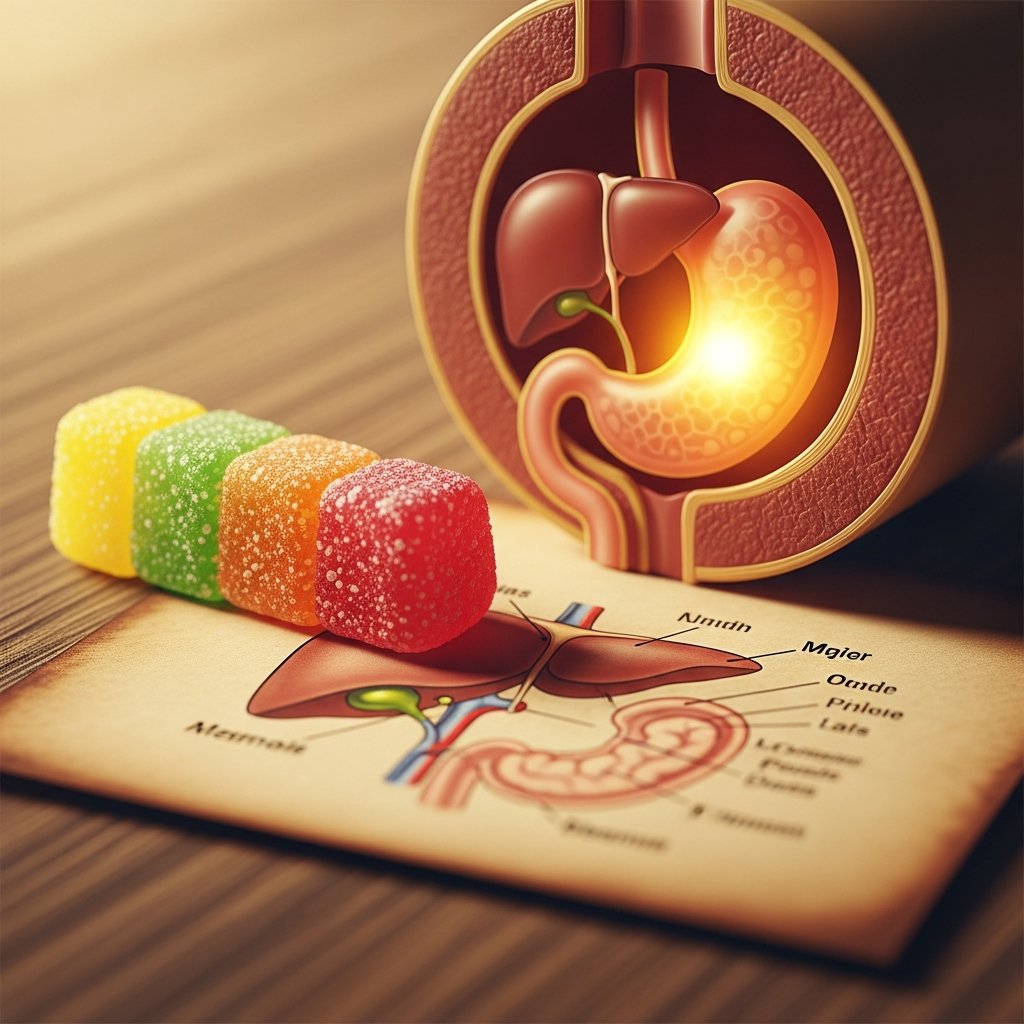
Before you can figure out the right milligram amount, it helps to understand what’s actually happening in your body when you eat a THC gummy. When you inhale cannabis, THC enters your bloodstream almost immediately through the lungs. Edibles take a detour through your digestive system and liver first – a process called first-pass metabolism – where THC gets converted into a compound called 11-hydroxy-THC. CITE: Grotenhermen, 2003, Clinical Pharmacokinetics – verify on PubMed
11-hydroxy-THC is notably more potent and longer-lasting than the THC you’d absorb from smoking or vaping. That’s part of why edibles can catch people off guard. The effects typically take anywhere from 30 minutes to two hours to kick in, depending on your metabolism, whether you’ve eaten recently, and your body composition.
For sleep specifically, that delayed onset is actually useful – if you time it right. Taking a gummy roughly an hour before bed gives many people a reasonable window to feel the effects as they’re winding down, rather than while they’re still doing dishes or doom-scrolling. The longer duration of edibles compared to inhalation also means the sedative effect can carry you further into the night.
If you want a deeper look at the mechanics behind all of this, the full breakdown of how edibles affect the body and brain explains the process from ingestion to effect in much more detail.
[DR. AUTHOR VOICE – Please verify and expand on the pharmacokinetic distinction between delta-9-THC and 11-hydroxy-THC here. Note whether current literature supports the claim that 11-hydroxy-THC has meaningfully greater sedative properties, and flag if the evidence is primarily animal-based or observational.]The honest answer to “how many mg?”
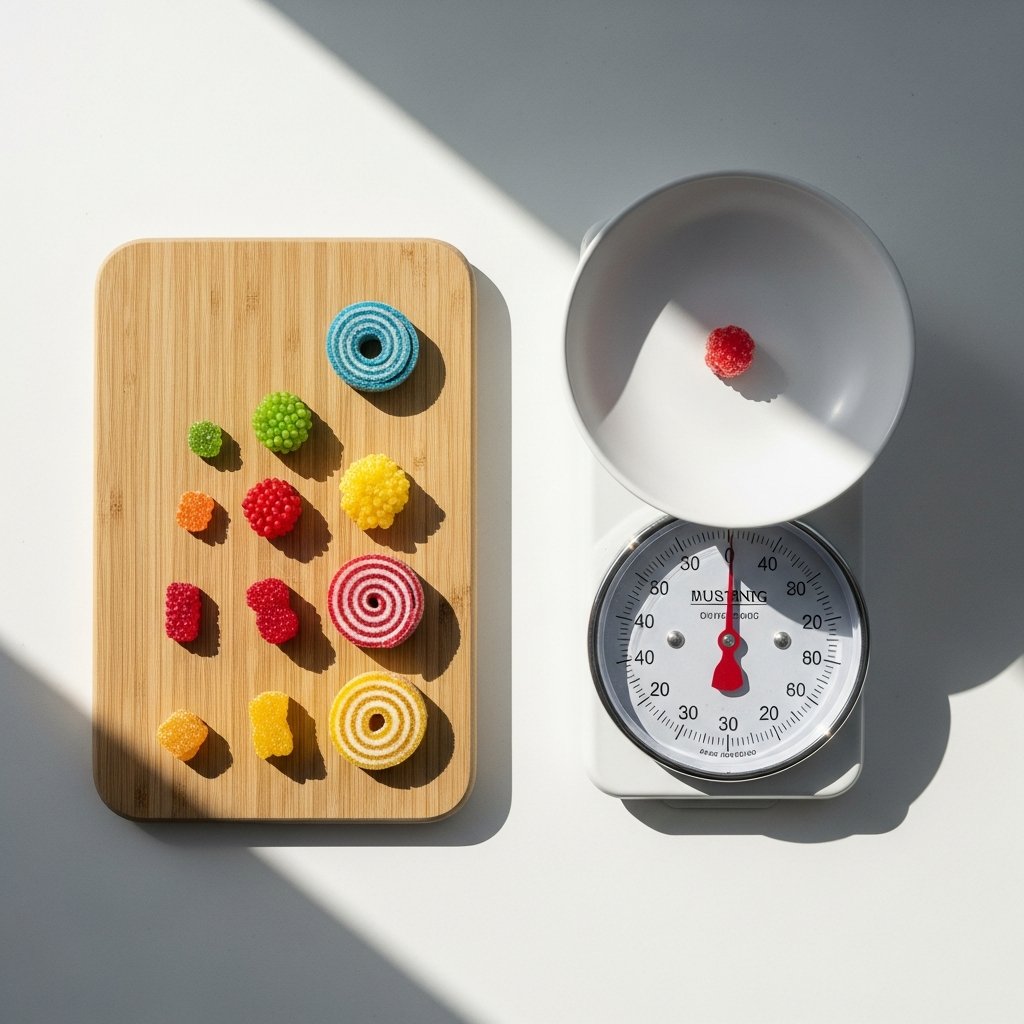
Here’s the thing about THC dosage: there is no universal number. Anyone who gives you a confident, one-size-fits-all answer is probably selling something. That said, there are evidence-informed ranges that make sense as starting points.
For sleep purposes specifically, low doses appear to be more effective than people expect. Research on THC and sleep has generally found that lower doses – in the range of 2.5 to 10 mg – tend to support sleep onset without producing the kind of next-day grogginess or disrupted REM sleep associated with higher amounts. CITE: Babson et al., 2017, Current Psychiatry Reports – verify on PubMed. Higher doses can actually increase feelings of anxiety in some users, which is the exact opposite of what you’re going for at 11pm.
If you’ve never used cannabis or have very low tolerance, starting at 2.5 mg is genuinely sensible. It sounds tiny. It might even feel like nothing the first time. But your nervous system’s response to THC is highly individual, and the people who end up having bad experiences with edibles are almost always the ones who decided 2.5 mg sounded laughably small and jumped straight to 20.
For occasional users with some tolerance, 5 to 10 mg is a common sleep-friendly range. Regular users sometimes work up to 10 to 15 mg, though at that level the relationship between THC and sleep quality can get complicated – more on that in a moment.
The tolerance and “less is more” paradox
One of the more counterintuitive things about using THC for sleep over time is that more doesn’t keep working as more. Regular use leads to tolerance, which means you need higher doses to get the same effect. But higher doses start to suppress REM sleep – the stage associated with dreaming, emotional processing, and cognitive restoration. So you might be falling asleep faster but sleeping less restorative sleep overall.
The practical upshot is that using THC gummies occasionally, rather than nightly, tends to preserve their effectiveness. Think of them as a tool for the rough nights rather than a replacement for good sleep hygiene habits. That framing keeps doses lower, tolerance in check, and the gummy doing its actual job.
If you’re curious about how this reasoning applies to dosing cannabis in other formats – tinctures, for instance – the principles around finding the right tincture oil dose share a lot of common ground with edible dosing logic.
What’s actually in the gummy matters too

The milligram number on the label is only part of the story. The cannabinoid profile and any added ingredients can shift the experience significantly. Some sleep-specific gummies pair THC with CBD, which many users find takes the edge off any anxiety that THC can sometimes produce at higher doses. Others include melatonin, CBN (a mildly sedating cannabinoid), or herbal additives like chamomile or L-theanine.
When you’re weighing sleep-focused options, it’s worth considering what the formulation is actually designed to do. A gummy that combines delta-9 THC with CBN and melatonin – targeted specifically at sleep – behaves differently than a standard THC gummy. For readers exploring that kind of purpose-built formulation, the cbdMD Delta 9 THC Lights Out Sleep Gummies are an example of that approach: a combination formula designed around sleep support rather than a general-use THC product.
On the other end of the spectrum, if you want flexibility to experiment with timing – some people prefer a lower-dose gummy earlier in the evening and assess from there – a discovery-style option gives you room to calibrate. The Hometown Hero 5mg Live Rosin Day and Night Discovery Pack is built exactly for that kind of exploration: two distinct formulations in one package, which makes it easier to notice how timing and cannabinoid profile actually affect your sleep without committing to a full bag of one thing.
Timing, set, and setting
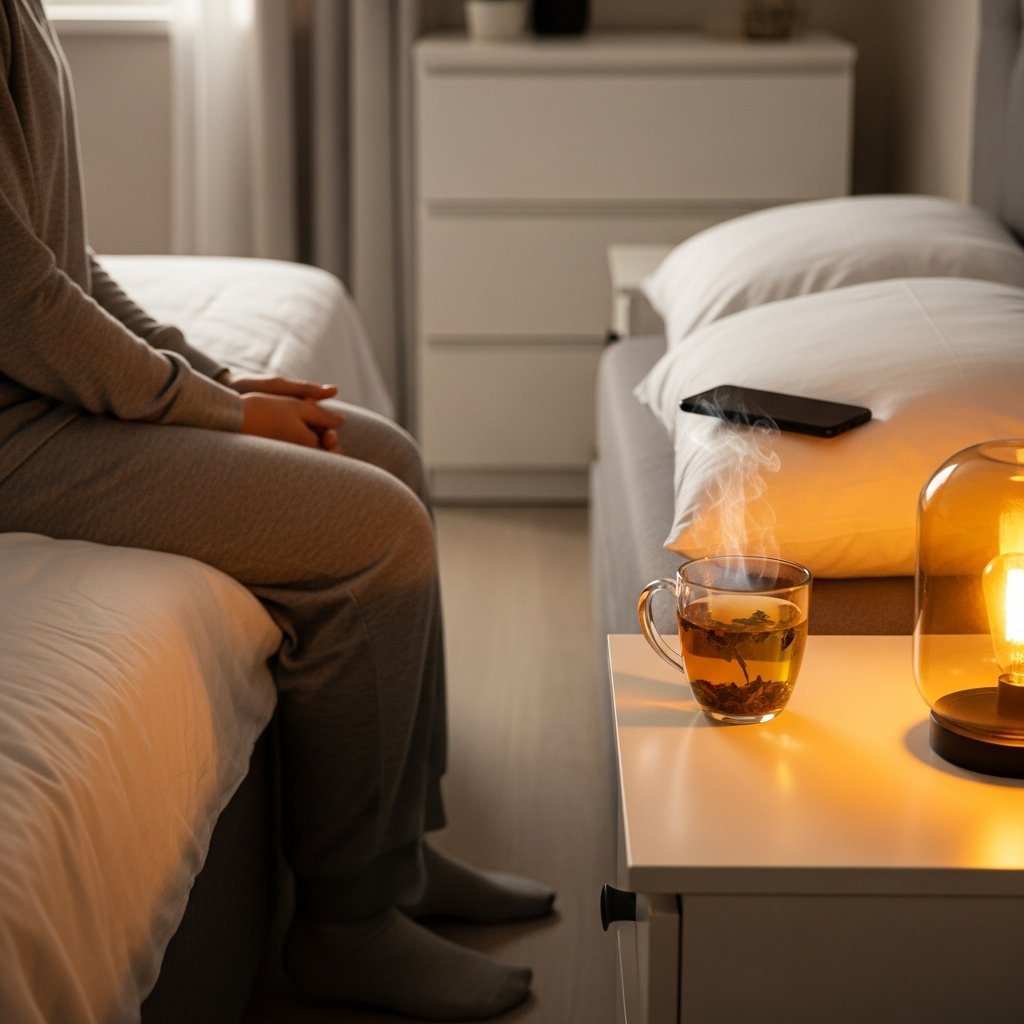
A 5 mg gummy taken at 7pm while you’re still stressed about a work deadline is going to land differently than the same gummy taken at 9:30pm after a hot shower with your phone in another room. Cannabis isn’t magic – it works within the environment you create around it. If your nervous system is still in high-alert mode, a small dose of THC may amplify that rather than calm it down.
Most sleep-focused cannabis users find that taking their gummy 45 to 90 minutes before their intended sleep time works well. Pair that with whatever your actual wind-down routine looks like – dim lighting, no screens, something genuinely calming – and you’re giving the gummy the best possible conditions to do its job.
If you are experiencing a medical emergency, call 911 or go to your nearest emergency room. And if you take prescription medications, speak with your pharmacist or physician before using THC products – particularly if you take anything that affects the central nervous system, since THC can interact with sedatives, antidepressants, and other compounds.
[DR. AUTHOR VOICE – Please review the timing recommendation (45-90 minutes pre-sleep) and confirm whether this reflects the onset range supported in current pharmacokinetic literature. Also add clinical nuance around the interaction caution, particularly for patients on benzodiazepines or Z-drugs.]Common mistakes that make the first experience go sideways
Let’s be honest: a lot of people’s bad experiences with THC gummies come down to the same few errors. Taking too much too soon is the big one – but impatience is a close second. Someone takes 5 mg, doesn’t feel anything after 45 minutes, takes another 5 mg, and then both doses hit simultaneously. That’s a recipe for a rough night, not a restful one.
The other common mistake is confusing a high-dose product with a sleep product. A 25 mg recreational gummy is not a sleep gummy in a higher gear. At that dose, many users report increased heart rate and anxiety – especially people without established tolerance – which is the opposite of conducive to sleep.
Starting low, waiting the full window (two hours if needed), and resisting the urge to redose on the same night covers about 80 percent of the situations where edibles go wrong. If you want a thorough walkthrough of this approach before your first time, the guide on safely dosing weed gummies as a beginner covers the process step by step.
Frequently asked questions about THC gummy dosage for sleep
What is the best mg of THC gummies for sleep if I’ve never used cannabis before?
Start at 2.5 mg and go no higher than 5 mg on your first attempt. These amounts sound small, but first-time users are typically much more sensitive to THC than regular consumers. Wait the full two hours before deciding whether you feel anything – edibles are slower than most people expect. A bad first experience from taking too much is far more likely to put you off cannabis than a mild one from taking too little.
How long before bed should I take a THC gummy for sleep?
Most people find a window of 45 to 90 minutes before their intended sleep time works well. Individual metabolism varies, so if you find the effects are peaking too early or too late, adjust the timing by 15 to 20 minutes on subsequent nights rather than changing the dose immediately.
Can THC gummies actually improve sleep quality, or just help with falling asleep?
THC may help with sleep onset – meaning it can make it easier to fall asleep – but the relationship with overall sleep quality is more complicated. Higher doses and chronic use have been associated with reduced REM sleep, which plays a key role in memory consolidation and emotional regulation. CITE: Babson et al., 2017, Current Psychiatry Reports – verify on PubMed Lower, occasional doses appear less disruptive to sleep architecture.
Is it possible to build a tolerance to THC gummies for sleep?
Yes, and it happens faster than most people expect with nightly use. Tolerance means you’ll need progressively higher doses to get the same effect, and higher doses carry more risk of REM disruption and next-day sedation. Using THC gummies on an as-needed basis rather than every night helps maintain their effectiveness and keeps your dosage from creeping upward.
Should I take a THC gummy with food or on an empty stomach for sleep?
Taking edibles with or shortly after a fatty meal tends to speed absorption and can intensify the effect. On an empty stomach, the onset may be slower but the experience is generally more predictable. For sleep dosing specifically, eating a small snack beforehand – rather than a full meal or nothing at all – is a middle ground that works for many people.
Are there any risks to using THC gummies for sleep regularly?
A few worth knowing about:
- Tolerance builds with regular use, requiring higher doses over time.
- Chronic high-dose use can suppress REM sleep, affecting cognitive function and mood.
- Some people experience rebound insomnia when they stop using THC regularly after a prolonged period.
- THC can interact with prescription medications, particularly sedatives and antidepressants – speak with your pharmacist or physician before combining them.
- Laws around THC products vary by state; verify your local rules before purchasing.
What’s the difference between a regular THC gummy and a sleep-specific THC gummy?
Sleep-specific gummies typically pair THC with additional compounds designed to support rest – commonly melatonin, CBN, or CBD. The idea is that CBN has mild sedative properties, CBD can reduce THC-related anxiety, and melatonin helps regulate the sleep-wake cycle. Whether these combinations outperform a plain low-dose THC gummy is still an open research question, but purpose-built formulas give you a cleaner starting point if sleep is your only goal.
Can I take more if the gummy doesn’t seem to be working?
Wait the full two hours before assuming it isn’t working. Edibles are famously slow, and the most common reason people take too much is impatience rather than genuine underdosing. If after a genuine full wait you feel nothing, a small additional dose (no more than half your original amount) on a subsequent night is reasonable – not on the same night.
Getting your THC gummy dose dialed in for sleep takes a little patience and honest self-observation. The people who land on something that actually works are almost always the ones who started cautiously, adjusted slowly, and resisted the temptation to treat a cannabis product like a pharmaceutical with a predictable dose-response curve. It’s more personal than that – and honestly, figuring out what works for your specific body and sleep situation is half the point.
source https://weed.com/how-many-mg-of-thc-gummies-should-you-take-for-sleep/



No comments:
Post a Comment