You’ve probably had one of those afternoons where the usual smoke session leaves you sinking into your couch when you really needed to stay sharp. Maybe you had a deadline, a creative sprint, or just a long to-do list that wasn’t going to tackle itself. The assumption that cannabis and focus are mutually exclusive has stuck around for decades – but it’s not the full picture. There’s a lesser-known cannabinoid quietly challenging that idea, and it works very differently from the THC most people are familiar with.
THCV – short for tetrahydrocannabivarin – has been turning heads in cannabis research circles for a while now. Its molecular structure is similar to THC, but its effects can lean in a noticeably different direction: more alert, less sedated, with an energy profile that’s earned it a reputation as the “sports car” of cannabinoids. Pair that with the convenience and fast absorption of a vape format, and you start to understand why interest in THCV vapes for focus has picked up considerably over the past few years.
This piece is for anyone curious about what THCV actually does, how it interacts with your body, and what to realistically expect when you vape it. No hype, no miracle claims – just the science and the experience, clearly laid out.
What Makes THCV Different From Regular THC

Here’s the thing about THCV: on paper, it looks almost identical to delta-9 THC. Both are phytocannabinoids found in the cannabis plant, and their chemical structures are remarkably close. The difference is a propyl chain instead of a pentyl chain – essentially a couple of carbon atoms. That tiny change, though, flips the pharmacological script in some interesting ways.
At lower doses, THCV appears to act as a partial antagonist at CB1 receptors – meaning it can actually block or dampen some of the intoxicating effects associated with THC rather than amplifying them. At higher doses, the picture shifts and it begins to behave more like a partial CB1 agonist, though still with a different character than conventional THC. This dose-dependent receptor behavior is part of what makes it so interesting to researchers and so confusing to marketers who want to pin it down neatly.
The endocannabinoid system is involved in regulating everything from appetite and mood to attention and energy. When a cannabinoid interacts with it in a way that doesn’t trigger the same cascade as standard THC, the experiential result can be more clarity, less cognitive fog, and a noticeable reduction in the munchies – appetite suppression is actually one of THCV’s most studied properties.
Dr. Alexander Tabibi
A 2011 review of CB1-independent mechanisms examined THCV alongside related compounds, showing in preclinical models that THCV’s pharmacological activity is not limited to CB1 receptor interactions alone. The review found evidence of mu-opioid receptor affinity and activity in CB1-deficient cells, suggesting a more complex receptor profile than simple antagonism.
This complexity matters for anyone interpreting THCV’s focus-adjacent effects. Because its actions extend beyond a single receptor pathway, predicting its full pharmacological footprint in humans remains difficult. The preclinical data is genuinely interesting, but clinical trials in humans are still limited – so real-world effects can vary considerably between individuals.
The Energizing Reputation – Where Does It Come From?

The reports of THCV producing a cleaner, more alert experience have been consistent enough that researchers have taken notice. Cannabis strains naturally higher in THCV, like some African sativas, have long carried reputations for producing a fast-onset, clear-headed buzz rather than the heavy body lock associated with indica-dominant hybrids.
The energizing quality likely ties back to that CB1 partial antagonism at lower doses. When THCV is dampening some of THC’s sedating signaling rather than amplifying it, the net result can feel more stimulating and mentally clear. Think of it less like flooring the gas and more like easing off the brakes. The cognitive engine is still running – there’s just less drag.
Some users describe it as closer to a strong cup of coffee than a traditional cannabis high – functional, slightly euphoric, without heavy intoxication. That profile is exactly why vape formats have become the preferred delivery method for THCV enthusiasts. Inhalation gets the cannabinoid into your bloodstream quickly, with effects onset within minutes rather than the hour-plus delay of edibles. THCV is also naturally present in cannabis in relatively small amounts, which is why THCV-focused products tend to use concentrated forms of the cannabinoid – making vape cartridges a practical format for delivering a meaningful dose.
What the Science Actually Says About THCV and Focus
Let’s be honest: the human research on THCV specifically is still thin. Most of the robust clinical work has focused on metabolic outcomes – particularly its effects on blood glucose and insulin sensitivity in people with type 2 diabetes – rather than cognitive performance directly.
That diabetes research is genuinely illuminating, though. A randomized, double-blind, placebo-controlled pilot study published in Diabetes Care examined THCV and CBD in patients with type 2 diabetes. THCV significantly decreased fasting plasma glucose and improved measures of beta-cell function and adiponectin levels, while being well tolerated. The connection to metabolic regulation matters more than it might seem: blood glucose stability is closely linked to sustained attention and mental energy. A cannabinoid that supports healthier glucose dynamics might indirectly support the kind of steady focus that dips when blood sugar swings.
Dr. Alexander Tabibi
A randomized, double-blind, placebo-controlled pilot trial published in Diabetes Care enrolled 62 patients with type 2 diabetes and tested THCV against placebo. The trial demonstrates that THCV significantly decreased fasting plasma glucose and improved beta-cell function and adiponectin levels compared to placebo, while being well tolerated across participants.
This is the strongest human trial data we currently have on THCV’s physiological effects, and it speaks to metabolic rather than cognitive outcomes directly. Extrapolating from glycemic improvement to enhanced focus requires caution – but it does confirm that THCV produces measurable, dose-dependent effects in human participants at tolerable doses, which is a meaningful baseline for further investigation.
Vaping THCV – Why the Delivery Format Actually Matters

There’s a reason vape formats dominate the THCV conversation. If you’re using a cannabinoid for its functional, daytime effects, timing and precision matter more than they do with, say, a sleep gummy you take an hour before bed. With inhalation, bioavailability is higher and onset is fast – usually within one to five minutes.
That speed allows you to gauge your response and stop before overshooting. Because THCV’s effects shift depending on dose – leaning more activating at lower doses and more classically intoxicating at higher ones – the ability to take one or two puffs and pause is a meaningful advantage. Edibles make that kind of calibration much harder. Cartridge-based vapes also offer consistency that flower cannot: each puff delivers a more predictable amount than smoking a strain where THCV content might vary between harvests or even between buds on the same plant.
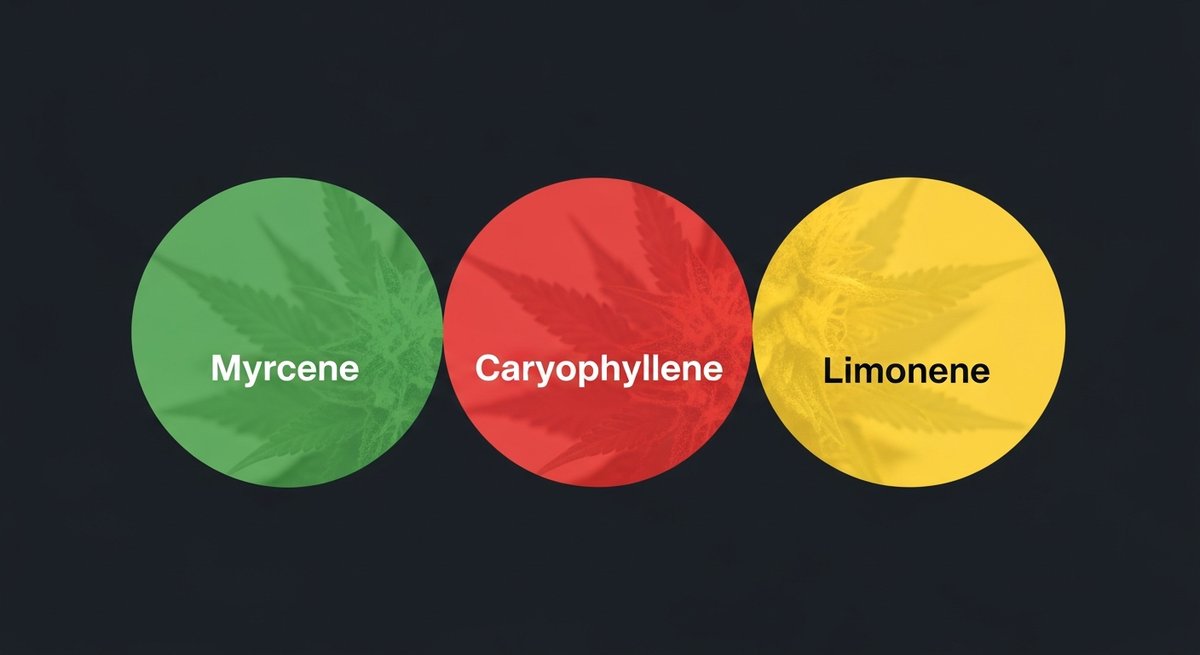
For anyone exploring how different compounds shape vape experiences, it’s worth reading about how myrcene terpenes shape the effects of vaping cannabis. Understanding the terpene profile of a THCV vape can help you anticipate whether you’re getting a more energizing or more balanced experience.
THCV vs Other Cannabinoids for Daytime Use
It helps to put THCV in context alongside cannabinoids people already reach for during the day. CBD is the obvious comparison – widely available, non-intoxicating, often credited with reducing anxiety and supporting calm focus. But CBD’s mechanism works largely through modulation of anxiety and stress pathways rather than directly energizing. The effect is more settling than activating.
CBG has gathered attention for daytime use through its interactions with alpha-2 adrenoceptors and serotonin receptors, which some users find uplifting without anxiety. Delta-8 THC, by contrast, is often described as a mellower version of delta-9, producing relaxation and mild euphoria rather than sharp alertness. For users looking for cognitive engagement rather than unwinding, delta-8 occupies a different lane entirely. If you’re curious how THCA compares in its non-psychoactive raw form, the complete beginner’s guide to THCA lays out the distinctions clearly.
THCV sits in a genuinely unusual position: it’s the only widely available cannabinoid with documented evidence of CB1 antagonism at low doses alongside potential mild psychoactivity at higher doses. That makes it a more sophisticated tool – but one that rewards careful, intentional use rather than casual overconsumption.
What to Look for in a THCV Vape

Not every product labeled “THCV” is created equal. Because THCV is expensive and relatively rare in high concentrations, some products market the name while delivering only a trace amount alongside dominant quantities of more conventional cannabinoids. Certificate of Analysis (COA) documentation from an accredited third-party lab is the baseline expectation. A credible THCV product should clearly report THCV potency by percentage or milligrams, not just list it as a secondary ingredient in a blended formulation.
Terpene profiles are worth considering too. A THCV vape blended with energizing terpenes like limonene or pinene will likely feel different from one that includes linalool or myrcene in meaningful quantities. The cannabinoid sets the foundation, but terpenes shape the experience around it. If the goal is mental activation, look for products that pair THCV with sativa-leaning terpene profiles rather than ones that trend sedating.
For those who want a daytime vape experience that combines quality engineering with multiple cannabinoid options in one device, multi-chamber vapes offer an interesting way to explore. The Cookies 2G Dual Chamber Vape in Adios MF! and Miami Mint pairs two distinct profiles in a single device so you can switch between them depending on the moment – with the kind of brand accountability that makes COA verification more straightforward.
Managing Expectations: What THCV Can and Cannot Do
THCV is not a nootropic in the traditional sense. It won’t replace sleep, it won’t compensate for poor nutrition, and it certainly isn’t going to turn a scattered afternoon into a laser-focused work session on its own. What it may offer – at the right dose, in the right context – is a reduction in the sedating, appetite-amplifying, focus-disrupting effects that some people associate with conventional THC use.
Individual response to THCV varies considerably, just as it does with any cannabinoid. Genetics, prior cannabis experience, current endocannabinoid system tone, and whether you’ve eaten recently can all influence how a session lands. Someone who has never used cannabis regularly may find even low-dose THCV perceptibly psychoactive; a high-tolerance user might need a significantly higher dose to notice anything distinct.
The same qualities that make THCV interesting for daytime use – stimulating character, potential appetite suppression, less sedation – make it less ideal as a wind-down tool. For the other end of the spectrum, the best vapes for sleep, including which strains and products to look for, makes more sense for nighttime routines. THCV and sleep vapes belong in different parts of the day.
Start genuinely low. One or two short puffs, then wait fifteen minutes and honestly assess where you are before going further. The THCV experience at a mild dose can be subtle enough that first-timers occasionally overshoot chasing something more obvious, and that’s where the effects tip away from clarity toward more conventional intoxication.
A Practical Starting Point for New THCV Users
If you’re approaching THCV for the first time through a vape format, timing matters more than you might expect. Because the goal is often functional – staying sharp for a work block, a creative session, a physical workout – using THCV when you’re already rested and reasonably calm gives it the best environment to work with. Using it as a shortcut through exhaustion rarely produces the clean experience people are after.
Keep notes on what you observe. With cannabinoids like THCV where effects are subtle and dose-dependent, having a simple log of how many puffs you took, when, and what you noticed eliminates a lot of guesswork over time. Also consider setting: THCV at a low dose in a focused, distraction-minimized environment will likely read very differently than the same dose at a loud social gathering. The cannabinoid doesn’t create focus out of nothing – it may reduce interference, but the conditions for concentration still need to be present on your end.
FAQs
Does THCV help with focus?
Some people feel more alert and clear-headed with THCV, especially in small doses. The effect is usually mild and not guaranteed for everyone.
Will THCV vapes get me high?
At low doses, THCV feels light and less intoxicating than THC. Higher doses or THC-heavy products can still make you feel high.
How many puffs should I take?
Start with one small puff and wait 10–15 minutes. This helps you understand the effect before taking more.
How long do THCV vape effects last?
Effects usually begin within a few minutes and last around 1–2 hours. Duration can vary depending on dose and tolerance.
Is THCV better than CBD for work?
THCV is often more energizing, while CBD is more calming. The right choice depends on whether you need focus or relaxation.
Important Notice
Cannabis affects individuals differently. If you have a history of anxiety, panic disorder, or other mental health conditions, consult a qualified healthcare provider before using any cannabis product. This article is for informational purposes only and does not constitute medical advice. If you experience severe anxiety, chest pain, difficulty breathing, or feel you are in crisis, call 911 or go to your nearest emergency room immediately.
For adults 21+ only. Cannabis laws vary by state. This content is intended for informational purposes only and does not constitute medical or legal advice. If you are experiencing a medical emergency, call 911 or go to your nearest emergency room immediately.
source https://weed.com/learn/thcv-vapes-for-focus-the-energizing-cannabinoid-explained/